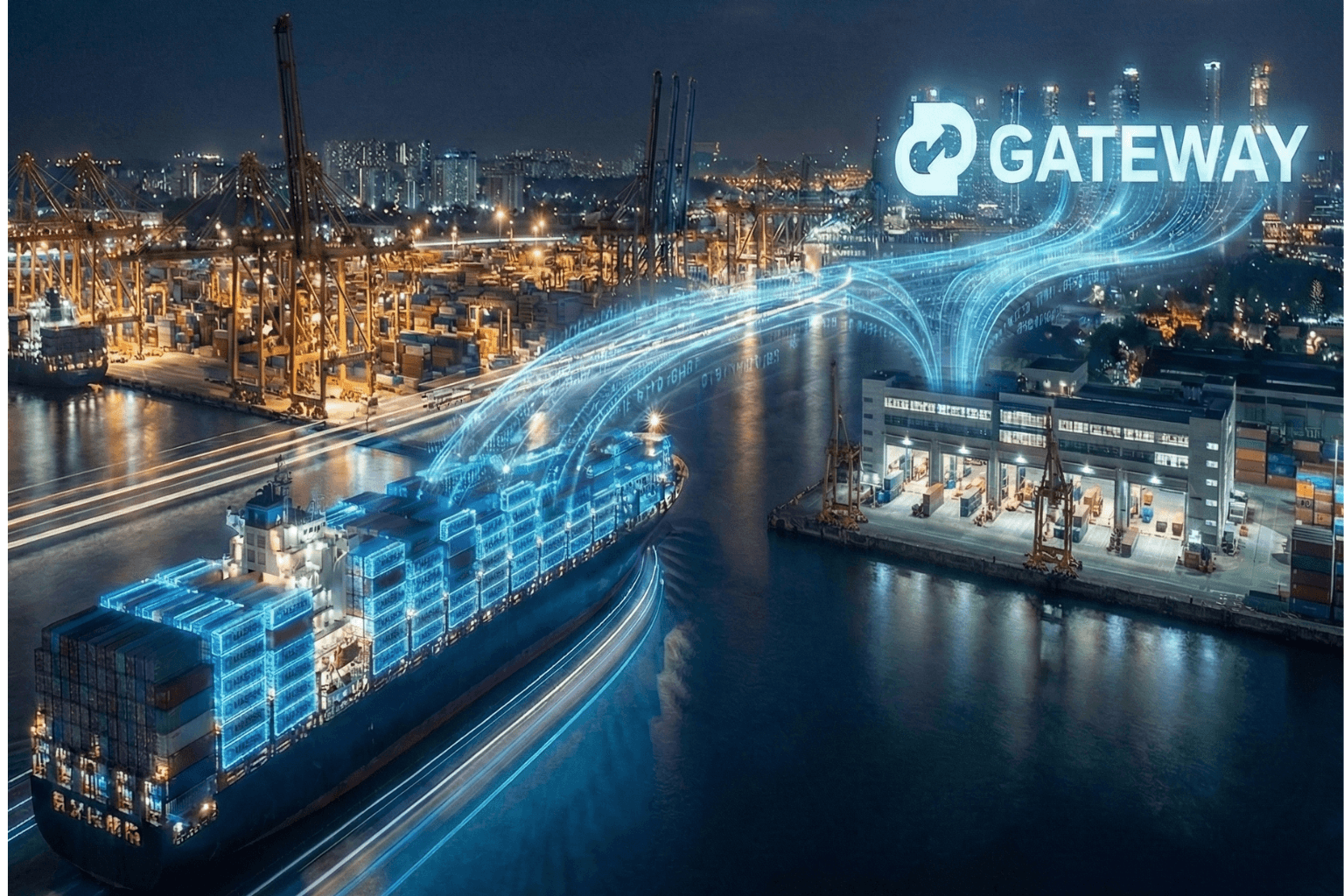
In ocean freight, information is everything. The difference between a profitable shipment and a costly one often comes down to a single question: do you know where your cargo is, and when it will actually arrive? For decades, importers have relied on carrier-provided ETAs that miss the mark more often than they hit it. Gateway is changing that equation with a data infrastructure that combines orbital satellite tracking, machine learning predictions, and carrier-direct integrations to deliver visibility that traditional forwarders simply cannot match.
The Problem with Traditional ETAs
Every importer knows the frustration. Your carrier says the vessel arrives Tuesday. You schedule trucks, warehouse labor, and downstream deliveries around that date. Then Tuesday becomes Thursday. Thursday becomes the following Monday. Each delay cascades through your supply chain, triggering demurrage charges, detention fees, and disappointed customers.
The root cause is simple: carrier ETAs are based on scheduled port rotations, not real-world conditions. They do not account for port congestion, weather patterns, vessel speed variations, or the dozens of other variables that determine when your container actually becomes available for pickup. Carriers update these estimates manually, often days behind actual events.
How Gateway Collects and Controls Ocean Freight Data
Gateway operates a multi-layered data acquisition system that pulls information from every available source and synthesizes it into actionable intelligence. This is not a dashboard that simply displays what carriers report. This is an independent verification system that often knows more about your shipment than the carrier does.
AIS Orbital Satellite Tracking: Every commercial vessel transmits Automatic Identification System signals that satellites capture in real time. Gateway integrates with orbital AIS networks to track vessel positions globally, regardless of what carriers report. When a vessel diverts, slows down, or anchors outside a congested port, we see it immediately.
Carrier-Direct API Integration: We maintain direct data connections with major ocean carriers, pulling container milestones, gate events, and status updates as they occur. This carrier data serves as our baseline, the official record that we then verify and enhance with independent sources.
Port Congestion Intelligence: Our systems continuously monitor port conditions at major terminals worldwide. We track the number of vessels at anchor, average berth wait times, terminal productivity rates, and yard density. When Long Beach has 40 vessels waiting and average dwell times exceeding 8 days, that intelligence flows directly into our arrival predictions.
Rail and Intermodal Tracking: For shipments moving inland, we extend visibility beyond the port. Rail car positions, intermodal terminal throughput, and chassis availability all factor into our end-to-end delivery estimates.
The Dual ETA System: Machine Learning Meets Carrier Data
Gateway provides importers with two distinct arrival estimates for every shipment. The first is the Carrier ETA, the official estimate provided by the shipping line. The second is the Gateway Predictive ETA, generated by our machine learning models that analyze satellite positioning, historical port performance, current congestion levels, and seasonal patterns.
The results speak for themselves. Our predictive ETA demonstrates 88% greater accuracy than carrier-provided estimates across all lanes and carriers. That is not a marginal improvement. That is the difference between planning your operations around reliable data versus hoping the carrier got it right this time.
This dual-ETA approach gives importers unprecedented decision-making power. When carrier and predictive ETAs align, you have high confidence in arrival timing. When they diverge significantly, you have an early warning signal that something has changed and your plans may need adjustment.
Real-Time Port Congestion and Demurrage Control
Demurrage and detention charges have become one of the largest hidden costs in ocean freight. When you cannot accurately predict when your container becomes available, you cannot efficiently schedule pickup. Containers sit at terminals accruing daily charges while you wait for updates that arrive too late to act on.
Gateway's port visibility system changes this dynamic entirely. We show you exactly how many vessels are waiting at your destination port, estimated berth availability windows, and projected unloading schedules. You can see that your vessel is 12th in queue at a terminal processing 3 vessels per day, which means roughly 4 days at anchor before berthing, plus 2 days for unloading operations. That level of granularity allows you to schedule drayage with precision and minimize free time violations.
Our platform also identifies routing alternatives when congestion makes them economically viable. If LA/Long Beach is experiencing severe delays, we can model whether diverting to Oakland and railing to Southern California saves money compared to waiting out the congestion. Sometimes paying for intermodal transport costs less than a week of demurrage charges.
Why Data Control Matters for Importers in 2026
The ocean freight market has entered an era of persistent volatility. Red Sea diversions, port labor negotiations, tariff policy shifts, and carrier alliance restructuring have made supply chain planning more complex than ever. In this environment, importers who operate with better data make better decisions and capture margin that competitors leave on the table.
Traditional freight forwarders operate as intermediaries who pass along whatever information carriers provide. They add little analytical value and have no incentive to invest in independent data infrastructure. Gateway operates differently. We built our platform around the conviction that better data creates better outcomes, and we invest accordingly.
When you ship with Gateway, you gain access to the same caliber of visibility tools that major retailers and manufacturers have spent millions building internally. Orbital satellite tracking, machine learning predictions, port congestion intelligence, and rail visibility all work together to give you command over your supply chain.
Get Started with Data-Driven Ocean Freight
Gateway provides real-time ocean freight visibility as a standard feature of our forwarding services, not as an expensive add-on. Every shipment includes access to our tracking platform with dual ETAs, port congestion monitoring, and proactive alerts when conditions change.
Visit gatewaylines.com to see how data-driven freight forwarding can reduce your costs and improve your supply chain reliability. In a market where information asymmetry costs importers millions annually, Gateway puts the data advantage in your hands.