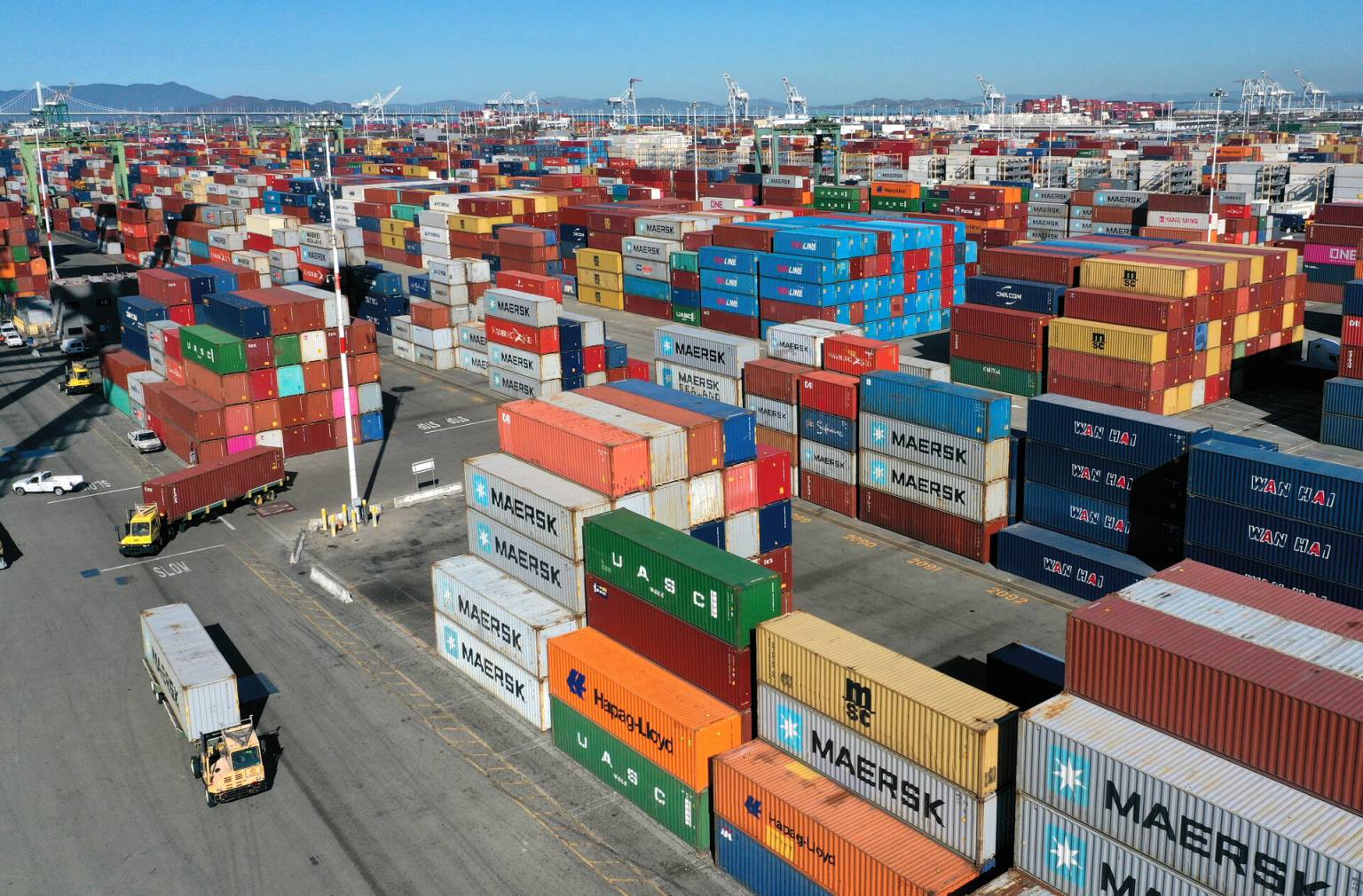
Why Government Reopening Matters for Freight?
Governments play a central role in the flow of global trade. Their agencies manage customs approvals, tariff enforcement, export licensing, and security inspections.
When governments reduce operations—whether due to shutdowns, pandemic restrictions, or administrative delays—freight feels it.
During slowed or suspended government operations, supply chains often face:
Longer customs delays
Paused export and import licensing
Reduced capacity for inspections and investigations
Uncertainty around tariffs and compliance requirements
Rising freight costs caused by backlogs and congestion
As governments resume full functionality, we typically see the opposite effect:
Faster clearance times
Re-activated trade investigations and compliance channels
Improved data flow between ports, customs, and agencies
Increased space availability across major lanes
More predictable regulatory and tariff environments
Where government activity resumes, freight velocity increases.
The Global Freight Landscape in a Reopening Environment
The freight industry enters this reopening phase while already navigating:
Geopolitical fragmentation
Tariff volatility
Shifting supply chain footprints
Port infrastructure challenges
Growing cost pressure on ocean and air cargo
This means reopening doesn’t return logistics to a pre-2020 world. Instead, reopening adds new momentum into a system already undergoing major structural change.
We see three distinct types of cargo behaviors emerging:
Flow Type What It Means Catch-up Volume Shipments delayed during closures now rush into ports, increasing short-term pressure. Pent-up Demand Dormant industries restart, creating sudden spikes in container bookings and air freight. Structural Shifts Long-term changes in supply chains—near shoring, new corridors, and logistics digitalization.
Major lanes likely to move first: Trans-Pacific (Asia → U.S.), Asia → Europe, and accelerated global air cargo for urgent replenishment.
What Forwarders and Shippers Should Do Right Now
To compete in reopening cycles, cargo owners and logistics providers should focus on:
1. Regulatory Intelligence
Track customs clearance times, tariff announcements, and port capacity updates. Reopening phases can shift quickly.
2. Network Optionality
Have alternative port options, routing plans, and carrier relationships to protect against congestion and rate spikes.
3. Visibility and Data Integration
Digital freight visibility and milestone alerts become essential—especially as new logistics data frameworks are introduced.
4. Inventory and Routing Strategy
Don’t assume immediate stability. Prepare for short-term volatility even as macro conditions improve.
5. Customer Communication
Reopening periods require proactive updates on capacity, risks, and booking timing windows.
Gateway’s Perspective
Gateway believes that reopening phases strongly benefit logistics providers who combine:
Deep trade-lane and port intelligence
Real-time visibility and notification systems
Hybrid network flexibility across ocean, air, rail, and drayage
AI-assisted customs and compliance processing
Gateway’s autonomous freight platform is built for precisely this kind of environment—where agility and information determine competitive advantage.
We expect in the near term:
Accelerated inbound volume into U.S. and European ports as backlogs unclog
Rate surges on certain container and air lanes where demand returns faster than capacity
Strong opportunities for arbitrage and freight cost optimization
Increased need for smart inventory buffers for manufacturers and e-commerce brands
Key Metrics to Watch
Professionals in global freight should monitor:
Container rate indices on major trade lanes
Port congestion levels and dwell times
Idle container and vessel reactivation
Changes in customs processing time
Announcements of new trade corridors or free-trade zones
Shifts in export licensing and critical materials policy
Conclusion
Government reopening represents a logistics turning point. As regulatory and customs systems return to full capacity, global freight will accelerate—sometimes unevenly, often rapidly, and with significant opportunity for the organizations prepared to move with it.
For shippers, importers, and manufacturers, this is the moment to reassess routing, capacity planning, timing, and technology adoption.
For Gateway, this is the moment we were built for.