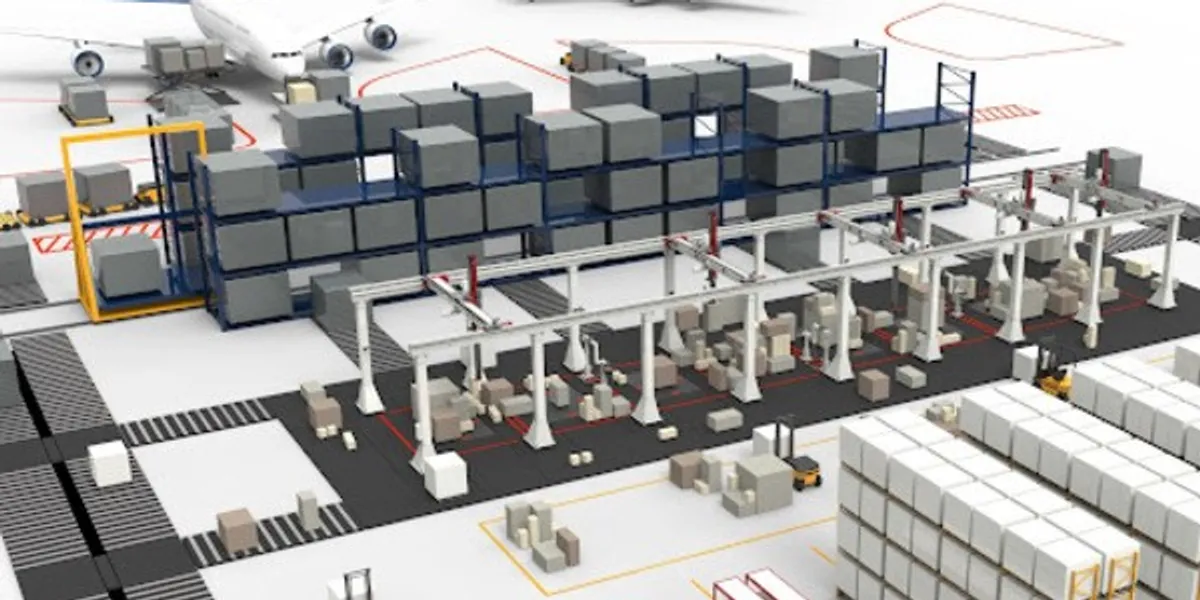
A profound change is underway in global trade: manufacturers and e-commerce brands are moving away from manually managed, human-dependent logistics workflows and toward autonomous, technology-driven supply chains.
This transformation isn’t just about speed or convenience—it's about significant cost reduction, reduced risk exposure, and building a supply chain resilient enough to survive volatile freight markets, geopolitical disruptions, and shifting consumer demand.
Automation is no longer a future concept. It is actively reshaping how goods are produced, shipped, tracked, cleared through customs, warehoused, and delivered.
Why the Shift Is Accelerating Now
Three converging forces are pushing companies toward autonomous logistics:
Cost Pressure and Margin Compression
Manufacturers and online retailers are facing:
Rising transportation and port fees
Increased labor and compliance costs
Capital tied up in inventory and long lead times
Automation reduces manual quote requests, booking errors, and expensive delays.
Volatile Global Freight Conditions
Trade policy uncertainty
Port congestion and vessel routing changes
Unpredictable shipping rates
Companies are turning to predictive and rule-based automated routing rather than relying solely on human dispatch decisions.
Data Transparency Expectations
Buyers want continuous tracking and delivery confidence.
Automation enables:
Real-time location visibility
Predictive ETA adjustments
Exception alerts instead of surprise losses
What an Autonomous Supply Chain Looks Like
Autonomous supply chains combine AI decisioning, data infrastructure, robotics, and digital freight systems to reduce human intervention across major workflow stages.
Traditional Workflow Autonomous Workflow Manual rate shopping and email quotes Instant AI pricing + automated booking Human customs document prep AI document extraction + automated filing Spreadsheets for tracking Real-time multimodal tracking + alerting Human warehouse routing Robotics + automated inventory allocationGuess-based restocking Predictive replenishment from sales/demand signals
For brands fulfilling thousands of orders, these improvements deliver massive operational leverage and cost savings.
How Manufacturers Benefit
Manufacturers are using autonomous supply chains to:
✔ Reduce container booking time from hours to seconds
✔ Predict raw material needs before shortages occur
✔ Improve factory throughput with precise logistics scheduling
✔ Lower demurrage, detention, and warehouse fees
✔ Maintain leaner inventory without stock-outs
Results include:
Lower landed costs per unit
Shorter production cycles
More stable supplier relationships
How E-Commerce Brands Benefit
Online retailers increasingly face international sourcing, returns handling, and complex fulfillment. Automation helps them:
✔ Auto-book the cheapest qualified carrier for each restock shipment
✔ Bundle purchase orders to reduce freight cost
✔ Reduce abandoned carts caused by unpredictable delivery estimates
✔ Improve cross-border compliance for DTC international orders
Outcome:
10–35% average reduction in logistics spend
Higher conversion rates due to reliable delivery
Fewer customer service escalations
Why Autonomous Systems Lower Cost
Cost Driver Automation Impact Labor-intensive booking & compliance Near-zero manual admin Poor container utilizationSmart load planning & consolidationCustoms errors and delaysAutomated document intelligenceOverstock or stock outs Predictive inventory & replenishmentBad routing decisionsAI route & carrier optimization
Automation creates a compounding effect: every optimized shipment improves global cost efficiency.
Gateway’s Perspective: The Autonomous Freight Layer
Gateway was built on a core principle:
Logistics should run itself.
Just as payments became Stripe-automated and advertising became Google-automated, global trade is now shifting to autonomous operation.
Key pillars in Gateway’s approach:
🔶 AI-Driven Pricing & Carrier Selection
🔶 Automated Customs + Compliance Intelligence
🔶 Live Multimodal Tracking from Port to Warehouse
🔶 Predictive Inventory + Restock Automation
🔶 Autonomous Freight Margin Capture (No subscription overhead)
Manufacturers and online sellers get the logistics layer without needing to become logistics experts.
What Comes Next: The Autonomous Commerce Era
The next phase of supply chain innovation will include:
Self-routing shipments using global data networks
Digitally verifiable origin and compliance credentials
Satellite-enhanced AIS visibility for ocean cargo
Fully automated free-trade-zone processing
AI-driven energy and sustainability optimization
The companies that embrace autonomous logistics early will command stronger margins, faster cash cycles, and greater global reach.
Conclusion
Manufacturers and e-commerce brands aren’t automating logistics because it’s futuristic—they are doing it because manual supply chains are too slow, too costly, and too fragile for modern global trade.
Autonomous supply chains reduce risk, lower operational expenses, and give companies back control of their margins.
The future of commerce will belong to those who build on autonomous logistics infrastructure—and at Gateway, that future is already here.