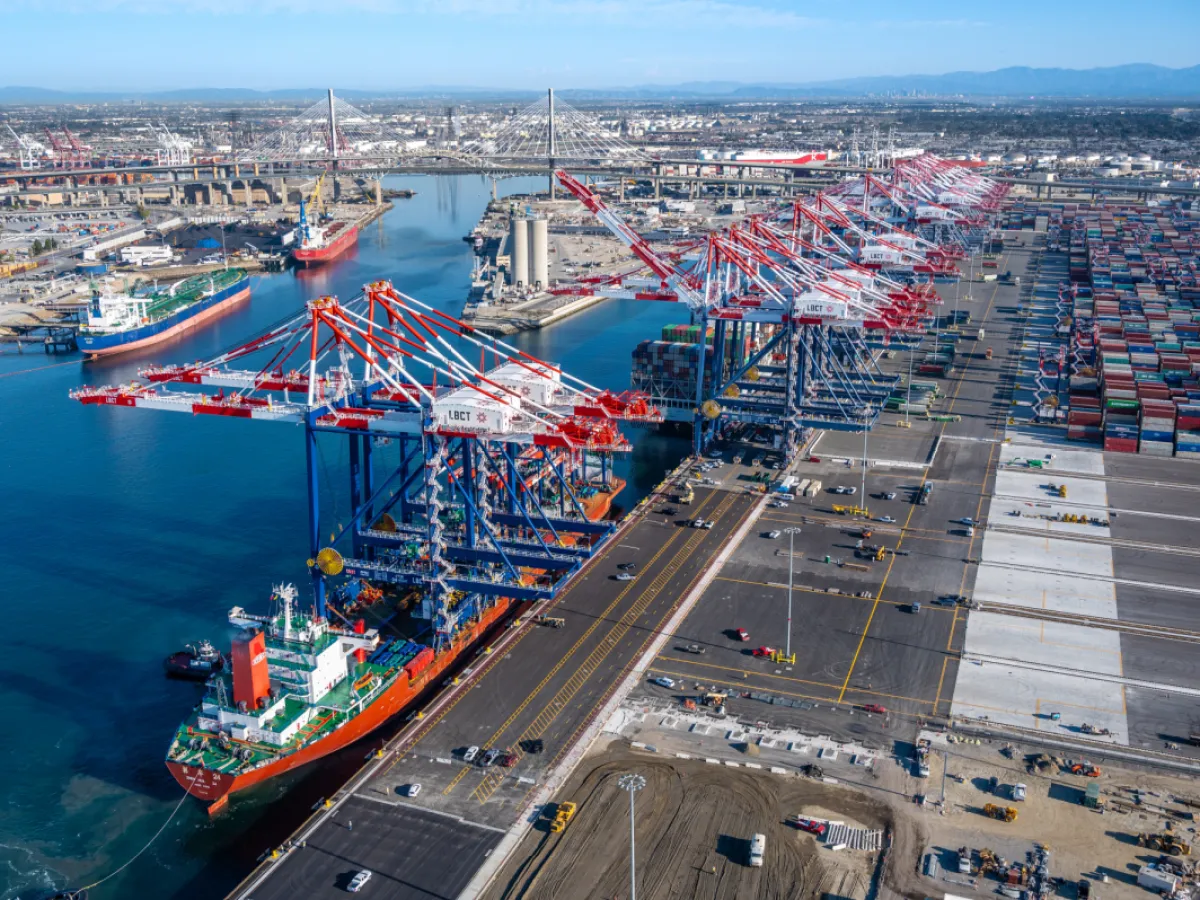
After nearly two years of price turbulence fueled by shifting demand cycles, port disruptions, and uneven capacity deployment, container shipping rates across major global trade lanes have stabilized heading into the fourth quarter of 2025, according to market data from multiple international freight indexes.
The leveling of rates marks one of the calmest periods the industry has seen since early 2021, offering importers and exporters a welcome break from weekly fluctuations.
Trade Lanes Hold Steady
Spot rates on major corridors — including Asia–U.S. West Coast, Asia–U.S. East Coast, Asia–Europe, and Transatlantic lanes — have remained within narrow bands for the past eight weeks.
Shanghai → Los Angeles: averaging $2,100–$2,400 per FEU
Shanghai → New York: $3,000–$3,300 per FEU
Shanghai → Rotterdam: holding between $1,850–$2,100 per FEU
Analysts say this consistency reflects a rare moment of balance between vessel capacity and cargo demand.
Why Rates Have Stabilized
1. Inventory Levels Normalized
After the heavy stocking and destocking cycles of 2023–2024, manufacturers and retailers finally reached equilibrium in their supply chains. This has reduced sudden booking surges that previously distorted pricing.
2. Carriers Improved Capacity Discipline
Ocean carriers have become more aggressive with blank sailings, schedule realignments, and multi-loop adjustments — keeping supply in check without creating excessive shortages.
3. Global Consumer Demand Has Evened Out
With inflation cooling in key markets, consumer spending has stabilized instead of swinging wildly month-to-month.
4. Port Congestion Has Eased
North American and European ports have achieved more consistent turn times, removing a major source of delays that previously triggered rapid rate changes.
Long-Term Contracts Tighten
Heading into the 2026 contracting season, carriers are taking a more selective approach to long-term agreements. Many are prioritizing:
steady-volume shippers
reliable forecasts
diversified lanes
multi-year commitments
This shift is expected to create more predictable floor rates, reducing the extreme volatility seen over the last several years.
Technology Adds Predictability
Freight technology platforms and digital forwarders have expanded the use of:
AI-powered demand forecasting
real-time vessel tracking
automated routing tools
delay-prediction systems
These tools help cargo owners make smarter booking decisions and avoid unnecessary spot-market pressure.
Risks Still Remain
While Q4 has been calm, analysts warn several factors could still create turbulence:
potential escalations in the Red Sea
weather-related impacts on key ports
Panama Canal draft restrictions tied to drought cycles
fluctuations in global bunker fuel prices
Any of these could trigger short-term spikes.
Outlook for Q1 2026
Most forecasts point to a steady-to-mildly upward trend moving into early 2026.
Lunar New Year, tighter contract allocations, and seasonal restocking typically add pressure to the market.
Still, for now, shipping executives, importers, and exporters welcome the rare period of stability.
“After years of unpredictability, the market finally feels manageable again,” one analyst noted.