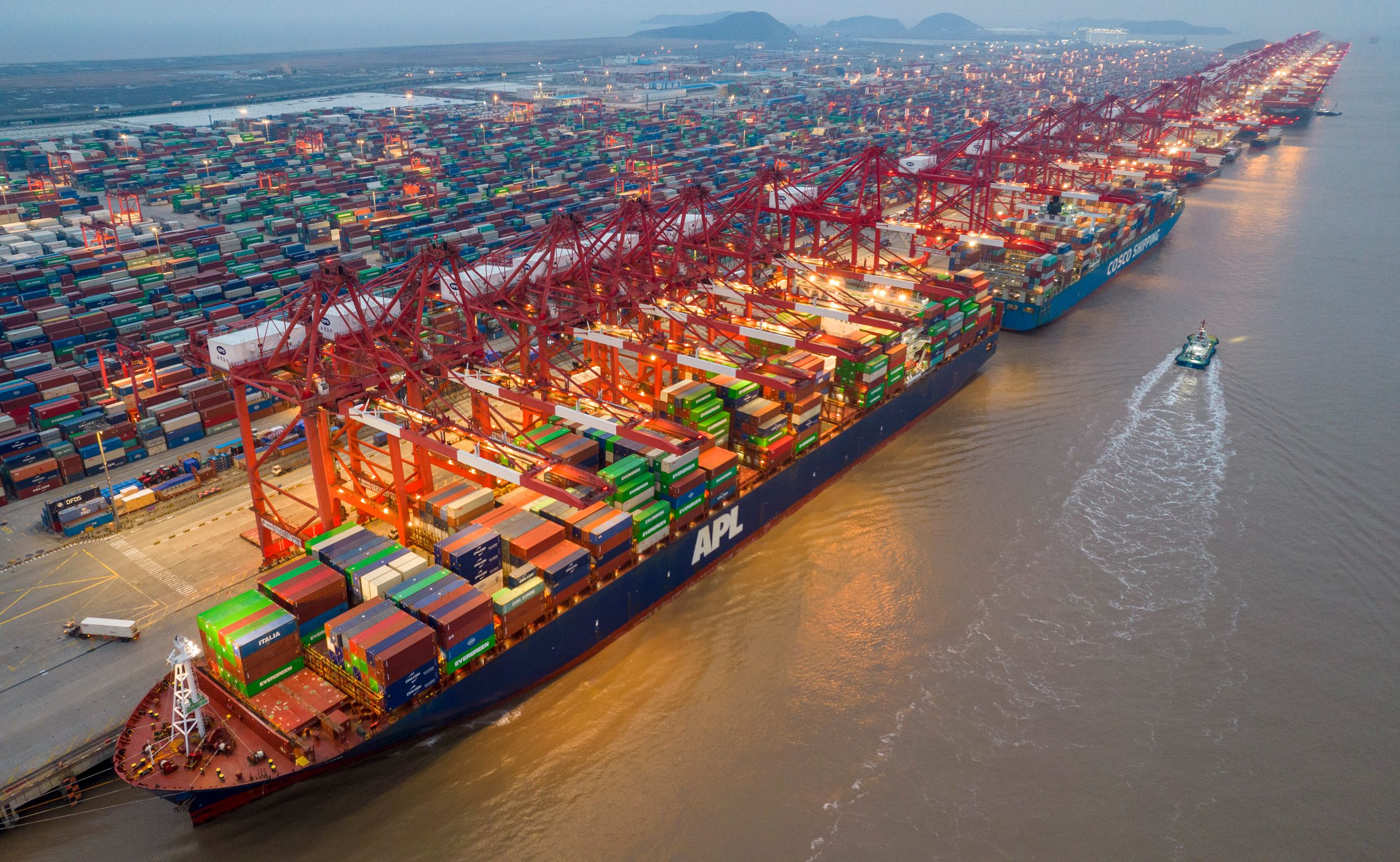
New wave of maritime and air cargo routes connecting Asia and Latin America is reshaping global supply chains, offering manufacturers faster transit times, diversified logistics options, and improved access to emerging markets. Industry analysts describe this as one of the most significant trade-lane expansions of the past decade, driven by increasing demand for nearshoring, diversified sourcing, and resilience against geopolitical disruptions.
A Strategic Shift in Global Trade Patterns
For years, Asia–Latin America trade has largely moved through indirect hubs such as Los Angeles, Houston, or European ports. In 2025, carriers and logistics providers are now launching direct routes as demand surges for consumer goods, automotive components, electronics, agricultural machinery, and industrial inputs.
According to industry data, Asia–LATAM trade volume has grown steadily, with several countries—Mexico, Brazil, Chile, and Colombia—emerging as major import hubs for Chinese, Vietnamese, South Korean, and Japanese goods. The introduction of direct services reduces transit times by 4–10 days depending on the corridor.
Major Carriers Activate New Direct Services
Several global carriers have expanded or introduced new rotations this quarter:
New trans-Pacific services linking China and Vietnam directly to Mexico’s Pacific ports, including Manzanillo and Lázaro Cárdenas.
Southeast Asia–West Coast South America lanes now offering faster connections to Peru and Chile.
Enhanced reefer capacity for Latin American agricultural exports bound for Asia, including seafood, fruits, and beef.
These developments are expected to provide manufacturers with more predictable schedules and alternatives to heavily congested North American gateways.
Drivers Behind the Expansion
Industry experts point to three primary drivers:
Nearshoring & Manufacturing Diversification
Companies shifting production to Mexico and South America require more reliable inbound supply chains from Asia.Risk Mitigation
Geopolitical tensions, capacity shortages, and rising costs in traditional U.S. and European gateways have prompted companies to seek direct lanes.Consumer Demand Growth
Latin America’s rising middle-class spending has increased demand for electronics, household goods, vehicles, and industrial machinery sourced from Asia.
Economic Impact for Both Regions
The new routes are expected to bolster economic growth in both regions:
Asia gains stronger access to Latin America's expanding consumer markets.
Latin America benefits from reduced logistics costs, increased availability of components, and faster replenishment cycles.
Cross-border e-commerce is projected to grow, with Chinese and Korean online retailers expanding LATAM operations.
Analysts predict that Asia–LATAM trade could surpass $800 billion annually within the next decade if the new routes continue to scale.
Looking Ahead
Industry observers expect additional services to launch in 2026, including more direct sailings, integrated rail-ocean solutions, and expanded multimodal corridors connecting Mexico, Brazil, and the Andean region.
As global supply chains continue to evolve, the strengthening of Asia–Latin America routes marks a major milestone in the effort to create a more flexible, resilient, and globally connected trade network.