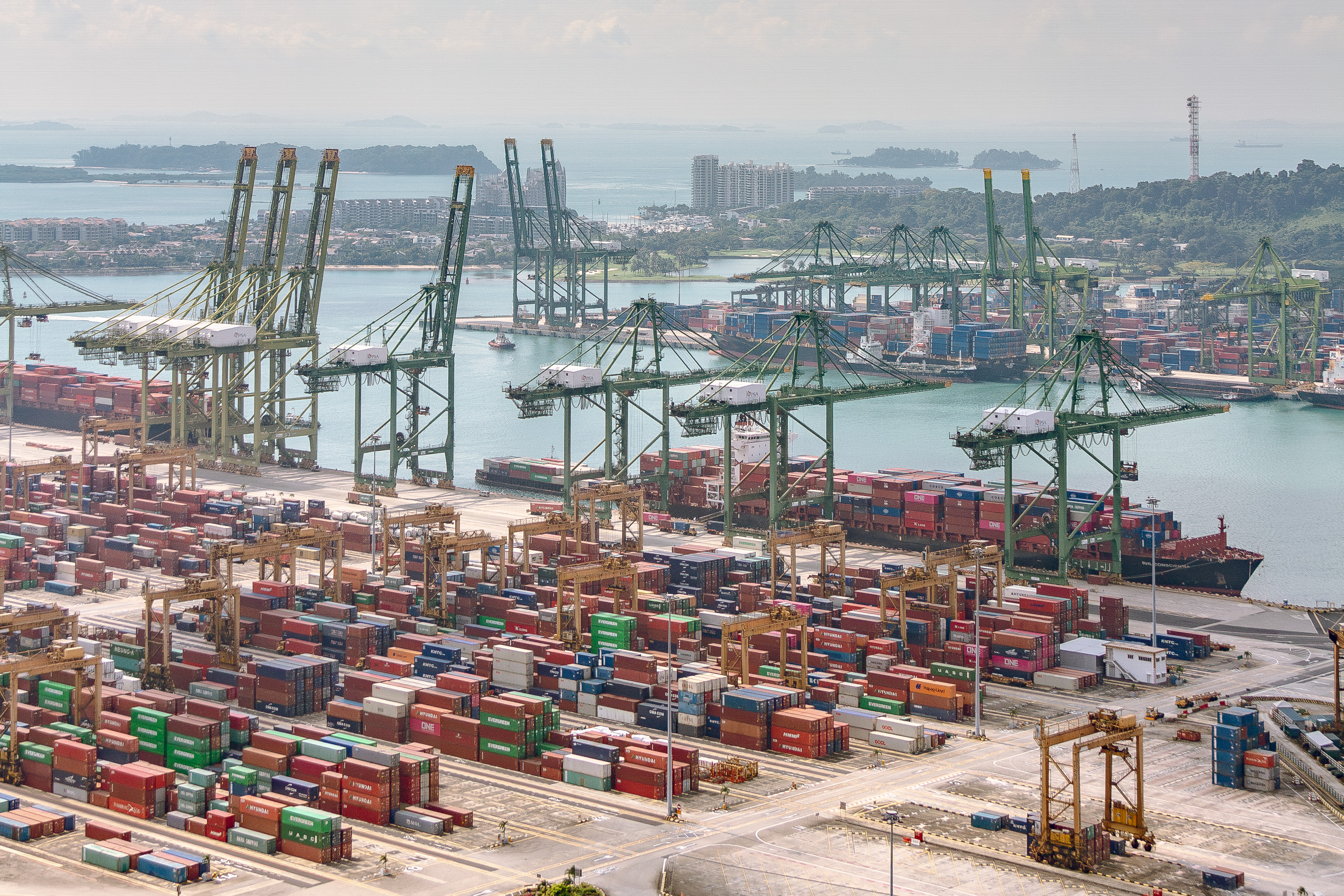
The global ocean freight industry is undergoing a major environmental transformation as carriers, regulators, and shippers accelerate efforts to reduce emissions, modernize fleets, and adopt cleaner technologies. What was once viewed as a slow-moving sector is now at the center of a rapid transition toward sustainability, driven by international pressure, new environmental mandates, and customer demand for greener logistics.
A New Era of Low-Carbon Shipping
Ocean carriers have begun deploying vessels powered by methanol, LNG, biofuels, and early-stage ammonia-ready propulsion systems. Several major shipping lines have already launched dual-fuel fleets designed to reduce CO₂ emissions by up to 40% on select routes.
Industry analysts say 2025 marks a defining year as green-powered vessels move from pilot projects to mainstream operations across major trade lanes, including the Transpacific, Asia–Europe, and Latin America routes.
Regulatory Pressure Accelerates Adoption
The IMO’s tightened emissions rules and the rollout of its Carbon Intensity Indicator (CII) scoring system are pushing carriers to modernize operations. Shipping companies failing to meet emissions grades now face increased fuel costs, required retrofits, and potential restrictions on vessel deployment.
To stay compliant, fleets are investing heavily in:
Hull optimization and drag-reducing coatings
Smart routing software using weather and current data
Electric and hybrid port equipment
Shore-power systems to eliminate emissions while berthed
Shippers Demand Greener Freight Options
Manufacturers and retailers are playing a key role in pushing sustainability forward. Surveys show that more than 60% of global shippers now request carbon reporting, offset programs, or low-emissions t
transport options from their carriers.
E-commerce brands, apparel companies, and automotive manufacturers are particularly focused on lowering their supply-chain footprint, often choosing carriers with verified sustainability credentials.
Green Corridors Gain Momentum
Several major “green shipping corridors” — routes with standardized low-carbon vessels, fuel availability, and port technology — are now being developed. The most notable include:
Asia–U.S. West Coast green corridor
Singapore–Rotterdam clean-fuel lane
Japan–Australia methanol pilot route
Latin America–Europe sustainable reefer corridors
These corridors aim to establish consistent standards, improve global fuel accessibility, and provide measurable carbon reductions on high-volume trade lanes.
Investment Surges Into Alternative Fuels
The push for sustainability is also reshaping the fuel market. Global energy companies are investing billions into producing:
Green methanol
Hydrogen and ammonia
Advanced biofuels
Synthetic e-fuels
While true zero-emission ocean shipping remains years away, experts say the groundwork being laid today will determine the future of maritime energy consumption.
Outlook: A Cleaner, Smarter Ocean Freight Ecosystem
As environmental expectations rise across governments, businesses, and consumers, the ocean freight industry is becoming more transparent, data-driven, and environmentally accountable. Many predict that by 2035, the majority of long-haul container vessels will operate on low-carbon or zero-emission fuels.
The transformation underway is not just a regulatory requirement — it is becoming a competitive advantage. Sustainability, once a niche topic in logistics, is now a central force shaping the future of global trade.