The Roots of Venezuela’s Economic Decline
Venezuela’s economy is heavily dependent on oil, which historically accounted for the vast majority of export earnings and government revenue. From the late 1990s onward, populist economic policies, widespread nationalization of industries, and sustained currency controls under President Hugo Chávez and his successor Nicolás Maduro led to declining oil production, reduced investment, and eroding economic stability.
By the 2010s, these issues were compounded by falling global oil prices, fiscal mismanagement, and rampant inflation. GDP has contracted significantly, inflation soared into triple digits, and essential goods became scarce, triggering large-scale migration and humanitarian strain.
Critics attribute the crisis primarily to internal policy decisions and systemic mismanagement, while others note that international sanctions imposed over the years have also restricted trade and financial flows, exacerbating economic stress.
Recent Political Upheaval and Economic Uncertainty
In early 2026, the capture of President Nicolás Maduro marked a dramatic political shift, intensifying both hope and uncertainty. International coverage highlights how geopolitical tensions increased, including allegations around U.S. military pressure and debates over the legality of actions taken against Maduro’s government. These developments have brought Venezuela’s economic and political trajectory into sharper global focus.
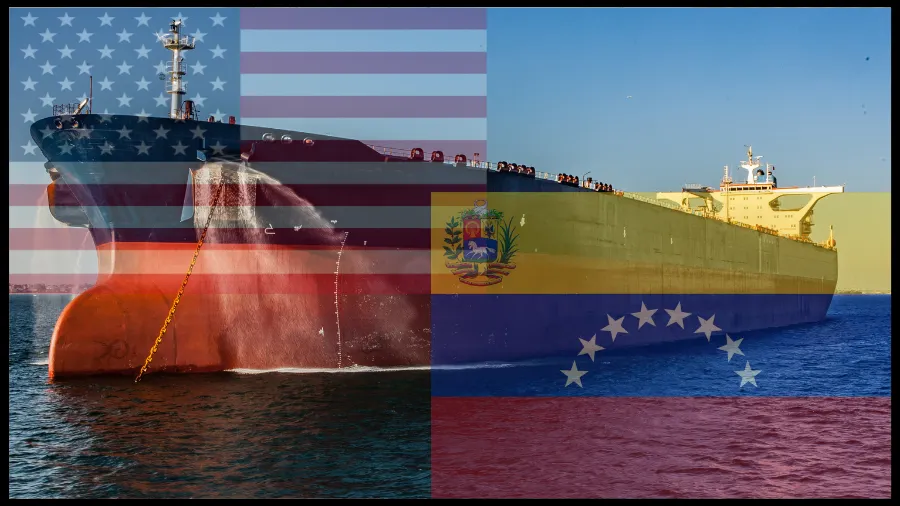
Venezuela holds some of the world’s largest proven oil reserves, a resource that remains central to both its domestic economy and global trade dynamics. As sanctions shift and exporters explore opportunities to resume crude shipments to major markets such as India and China, the global petroleum trade could see shifts in supply flows, pricing, and competitive dynamics.
Effect on Global Energy Markets and Trade Routes
For decades, Venezuelan crude was a significant input into the global energy market. Under Maduro’s government, production declined sharply due to underinvestment and operational challenges, reducing Venezuela’s share in global exports. Economic instability further discouraged foreign investment and disrupted regular trade patterns.
Recent moves by major commodity traders to offer Venezuelan oil to refiners at discounted prices indicate potential re-entry into international markets, though structural challenges remain. A resurgence of Venezuelan crude exports could add to the global supply base and influence price dynamics, especially in heavy crude segments that complement other grades in refinery systems.
This re-emergence carries trade implications. In global logistics, shifts in oil supply affect:
Ocean freight fuel costs (bunker prices)
Shipping route economics
Trade balance between exporting and importing nations
Energy investment flows and market expectations
Even if Venezuela’s total market share remains relatively small compared to giants like Saudi Arabia or the U.S., changes in its output can have disproportionate effects on certain regional trade patterns.
Broader Global Trade and Supply Chain Impacts
Venezuela’s prolonged crisis affects more than energy markets. Its economic instability has resulted in:
Disrupted supply chains in Latin America
Migration flows that influence labor markets abroad
Reduced purchasing power for traditionally imported goods
These ripple effects can influence global trade statistics and regional logistics hubs.
During periods of volatility, global shipping and logistics systems adjust in response to changing demand, pricing, and risk assessments. Freight forwarders, carriers, and commodity traders monitor geopolitical developments carefully, as shifts in export capacity or trade policies in one nation can redirect cargo flows, affect port throughput, and alter international contracts.
Neutral Perspective on Future Outlook
Venezuela’s situation illustrates how entrenched economic challenges and political upheaval can reverberate well beyond national borders. The recovery or stabilization of Venezuela’s economy — particularly if it involves reintegration into global oil markets — could lead to increased trade flows and investor interest. Conversely, continued uncertainty may prolong supply disruptions and maintain risk premiums in energy and commodity markets.
Taken together, Venezuela’s experience underscores how fragile states with significant natural resources can have outsized global trade impacts, even when domestic conditions remain unstable.
Summary of Effects on Global Trade
Oil markets: potential shifts in supply and price volatility
Shipping and logistics: altered freight demand and routing
Investment flows: risk pricing and capital allocation responses
Regional trade dynamics: changes in exporter/importer relationships
These trends are important for trade professionals, investors, and policymakers who assess geopolitical risk in logistics planning and global supply chain strategy.